Building Site
For a stable and sustainable foundation, reliable information about the soil and its properties is required. A site investigation in the form of a subsoil survey followed by an evaluation is of crucial importance. Measured against the cost of the shell of a building, the costs for a building site investigation are low. On the other hand, “saving” on a building site survey can result in considerable costs in the event of damage to the foundation, which can easily exceed the cost of the shell.
Required information and documents
Providing the following documents will enable your examination to be processed quickly and cost-effectively:
- True-to-scale site plan of the property in question
- Floor plan of the lowest floor
- vertical cut
- intended use
The provision of a preliminary load plan by your structural engineer enables the rapid creation of a foundation concept that is individually tailored to the building site and the loads of your construction project and is therefore economical.
A building site investigation essentially consists of the following three parts:
1. Field investigations: Subsurface recording through exploratory drilling and dynamic probing.
2. Determination of soil properties in the laboratory through appropriate laboratory tests, assessment, and presentation of the results of field and laboratory tests.
3. Preparation of a property-specific building site report.
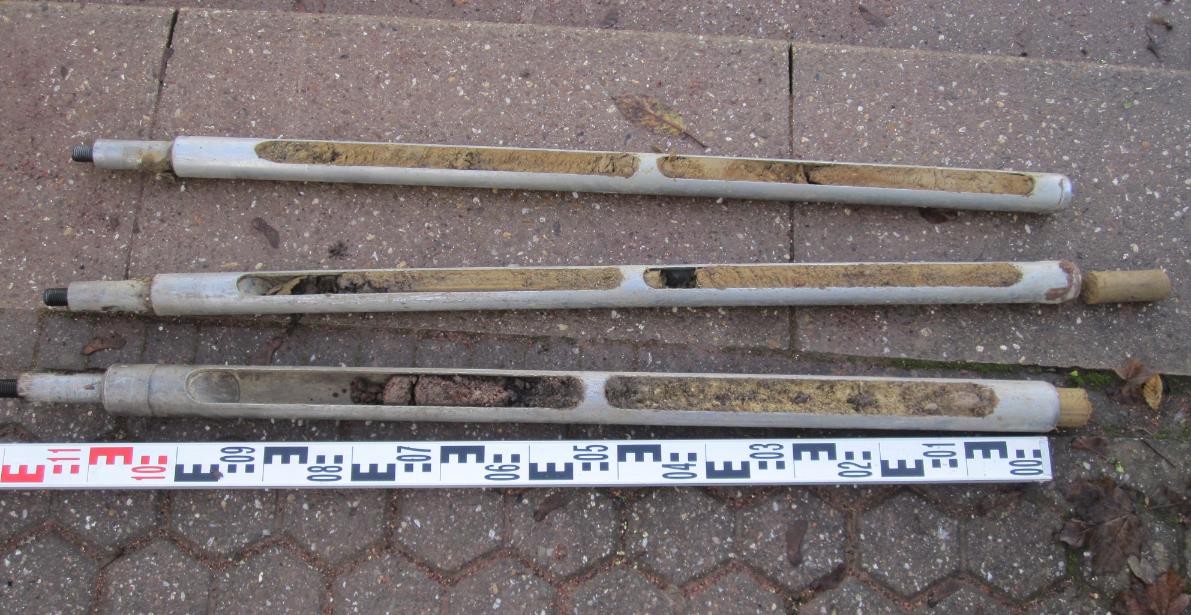
A contaminated site investigation usually proceeds as follows:
1. Conducting historical research at environmental and building authorities.
2. Preparation of an investigation concept in consultation with the competent authorities.
3. Conducting site investigations.
4. Compilation of results.
5. Development of remediation measures in consultation with the competent authorities.
Contaminated Sites
We conduct contaminated site investigations and assessments in the context of various issues. The key topics here are:
- Property assessments regarding potential existing contamination in the context of land purchase and sale..
- Benefit-based assessment for building applications in accordance with the Federal Soil Protection and Contaminated Sites Ordinance.
- Investigation of causes of damage, development of remediation concepts and cost estimates for insurance companies and in the event of legal disputes.
- Assessment of excavated material with regard to recycling or landfill classes.
- Preparation of dismantling and disposal concepts.
- Construction supervision during demolition and excavation work.
Hydrogeology
Our main topics in the field of hydrogeology are:
- Preparation of hydrogeological reports on the disposal of domestic rainwater via drainage systems.
- Preparation of hydrogeological reports on rainwater management.
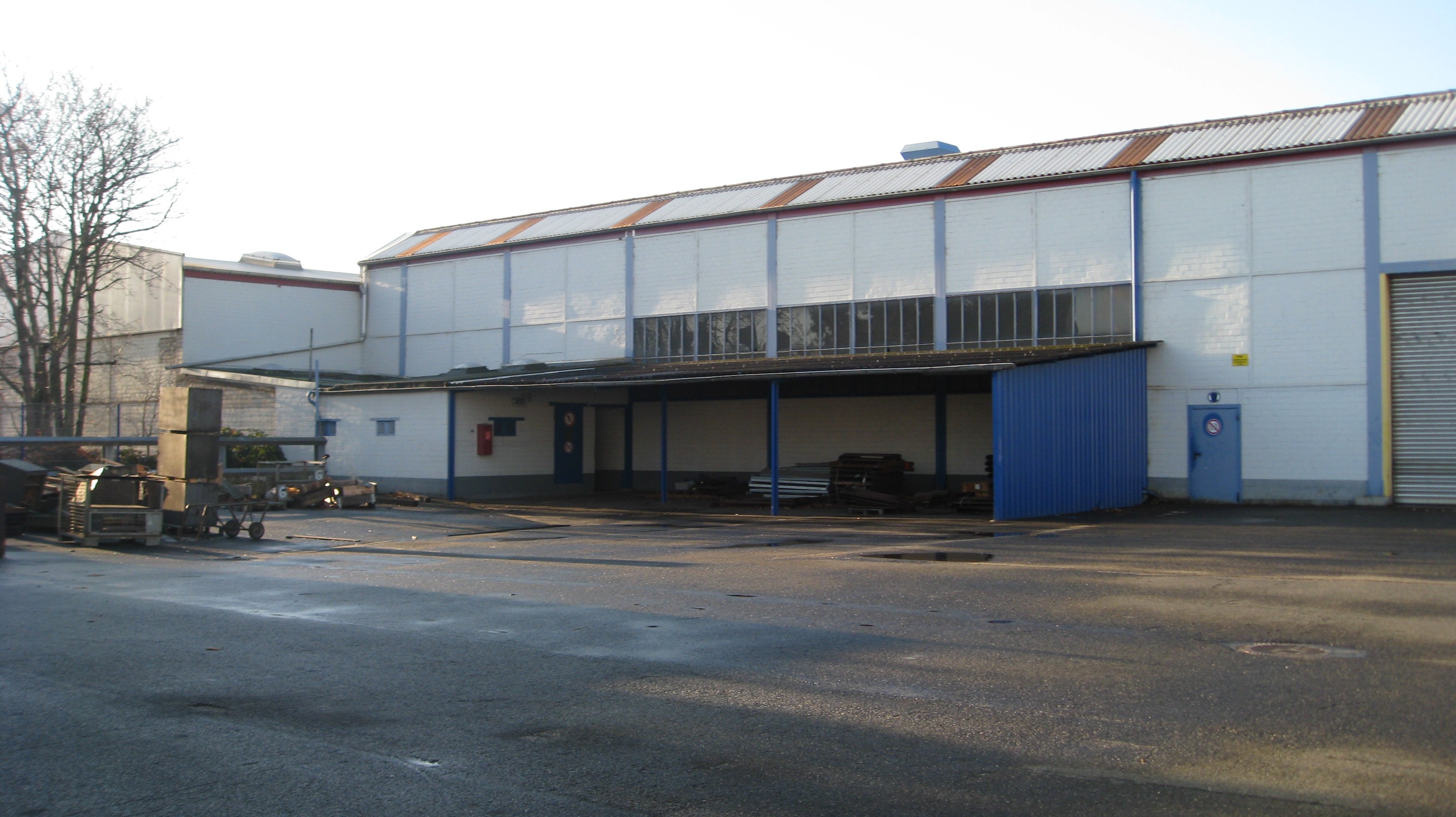
- Carrying out exploratory drilling and infiltration tests to determine the infiltration capacity of the subsoil.
- Permeameter tests and water permeability tests in the soil mechanics labratory .
- Assessment of excavated material with regard to recycling or landfill classes.
- Development of groundwater resources.
Procedure for a hydrological investigation and assessment:
1. Determination of the investigation program based on the planning documents.
2. On-site drilling and infiltration tests to determine soil permeability.
3. Evaluation of the results.
4. Area calculation and dimensioning of the infiltration plant based on the test results.
5. Summary of results, infiltration plant documentation, and explanation in the hydrogeological report.
6. Optional: Preparation of applications for water permit approval.
7. Preparation of the necessary plans and sectional drawings in consultation with the architect.
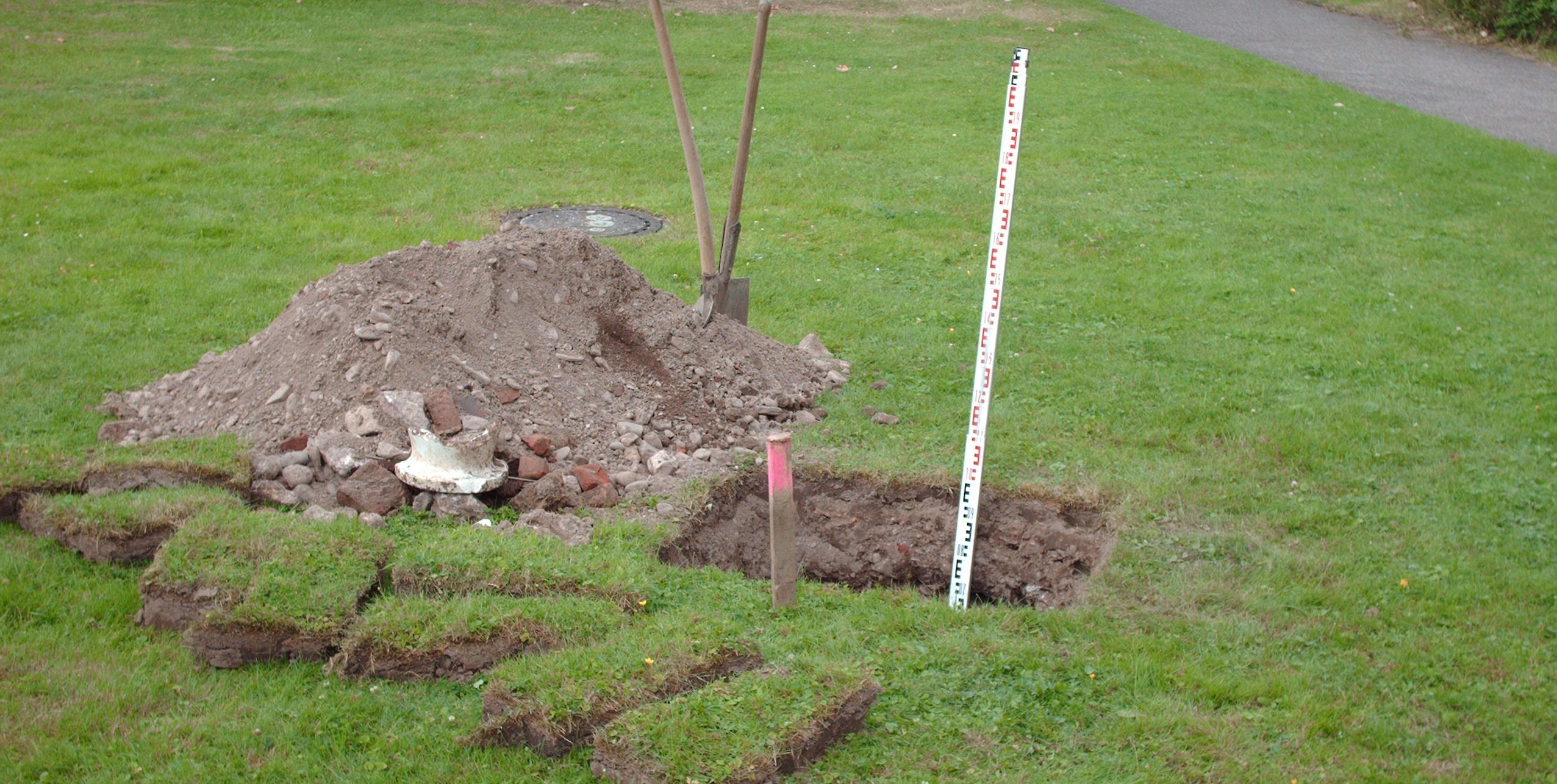
To create a demolition plan with a pollutant register, we need:
1. Site plan of the building or company premises.
2. Floor plans of the individual floors.
3. Sectional drawings, if available.
4. Historical usage and reconstruction plans.
Demolition
Before demolishing commercial or residential buildings, a pollutant register must generally be submitted in order to obtain a demolition permit. Such a pollutant register serves a useful basis for tendering of demolition works.
- In order to determine an inspection program, it is necessary to inspect the building to be demolished.
- Building plans are used to estimate the mass of construction waste to be disposed of.
- The structure of floors, ceilings, and walls is explored by means of core drilling.
- If contaminants are suspected, samples of building materials are taken and sent for chemical analysis.
- Based on the results of the chemical analysis, a dismantling and disposal concept with a pollutant register will be drawn up.
- The demolition of the building will be supervised by an expert.
- After demolition of the building and disposal of the construction waste, a plausibility check is carried out on the basis of the weighing slips.